Pygmy Goats: Tiny, Adorable, and Full of Chaos
When most people picture goats, they imagine a sprawling farm, rolling pastures, and a big red barn.
Then they discover pygmy goats.
Suddenly they’re scrolling through adorable photos of tiny goats bouncing around like furry popcorn kernels and wondering:
“Could I have one of those?”
It’s an understandable question. Pygmy goats are small, friendly, entertaining, and ridiculously cute. They seem like the perfect way to enjoy goat life without needing hundreds of acres.
But before you start measuring your backyard and naming imaginary goats, let’s talk about what life with pygmy goats is really like.
Because while pygmy goats are smaller than standard goats, they’re still very much goats.
And goats are equal parts joy and chaos.
What Exactly Is a Pygmy Goat?
Pygmy goats are a miniature breed originally developed from West African Dwarf goats. Unlike some miniature dairy breeds that were bred primarily for milk production, pygmy goats were developed for their compact size, hardiness, and friendly nature.
Adult pygmy goats are typically much smaller than standard farm goats, but don’t let the word “miniature” fool you.
These little goats are surprisingly sturdy.
Most adult pygmy goats weigh somewhere between 35 and 75 pounds and stand under two feet tall at the shoulder.
Think of them as the bulldogs of the goat world—short, stocky, muscular, and packed with personality.
Their compact size makes them appealing to families, hobby farmers, and homesteaders who want goats without managing a large herd.
Why People Fall in Love With Pygmy Goats
Let’s be honest.
Nobody sees a baby pygmy goat hopping sideways through the pasture and thinks, “I should remain emotionally detached.”
These goats have a way of stealing hearts.
Part of their appeal is their playful nature. Pygmy goats are curious, social, and almost endlessly entertaining. They love exploring, climbing, investigating, and occasionally making questionable life choices.
If there is a way to get onto something they shouldn’t be standing on, they will find it.
Many owners describe their pygmy goats as having dog-like personalities. They often learn routines quickly, recognize their owners, and eagerly greet familiar people.
Some goats are outgoing comedians.
Others are cuddly attention seekers.
And some are tiny furry dictators who believe they own the property.
Getting to know their individual personalities is one of the best parts of goat ownership.
The Truth About Pygmy Goats and Small Spaces
Here’s where we need to separate social media fantasy from reality.
Pygmy goats are small.
That does not mean they’re apartment pets.
I know the internet loves showing goats wearing pajamas and sleeping on couches, but that’s not how most goats thrive.
Goats need outdoor space.
They need sunshine, fresh air, room to move, room to climb, and opportunities to express normal goat behaviors.
That doesn’t mean you need a massive farm.
Many people successfully keep pygmy goats on small homesteads, rural properties, and even larger suburban lots where local ordinances allow it.
But they still require dedicated outdoor housing and secure fencing.
If your living situation can’t support that, pygmy goats probably aren’t the right pet right now.
And that’s okay.
Sometimes the best goat decisions are the ones we make before bringing goats home.
Why One Goat Is Never Enough
One of the most common beginner mistakes is planning for a single goat.
Please don’t.
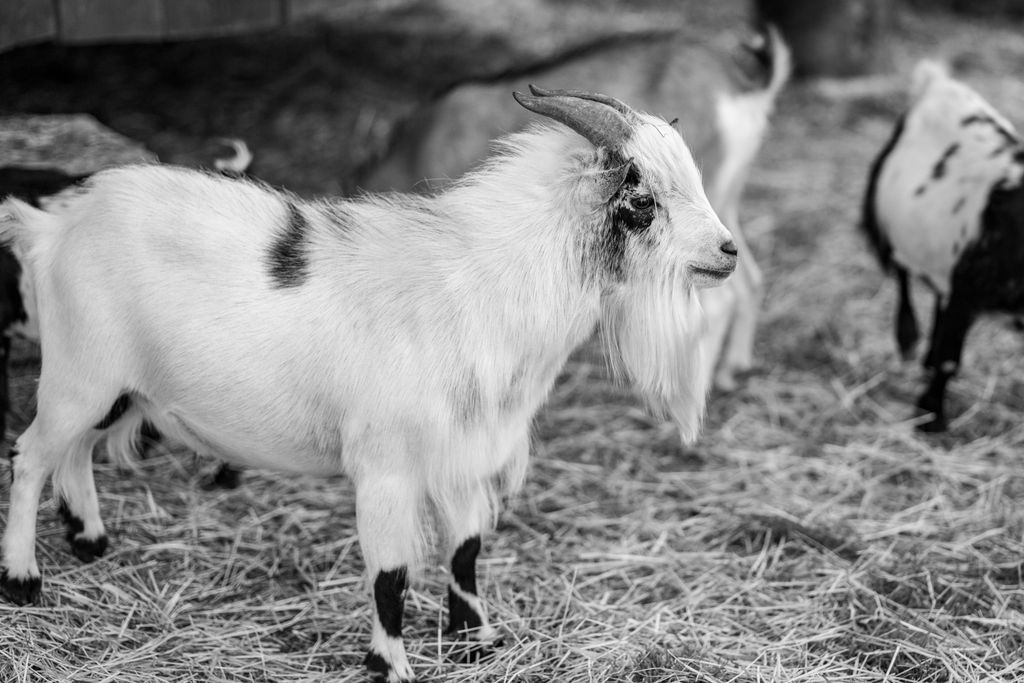
Goats are herd animals.
They are wired to live with other goats.
A goat living alone can become stressed, anxious, noisy, and destructive. Even owners who spend lots of time with their goats can’t fully replace the companionship another goat provides.
A lonely goat is a loud, destructive goat.
If you’re considering pygmy goats, plan for at least two.
The good news?
Watching two goats interact is about ten times more entertaining than watching one.
Building the Perfect Pygmy Goat Setup
You don’t need acres of land to make pygmy goats happy.
You do need to think like a goat.
And goats have very specific priorities.
Priority #1: Security
Goats are famous escape artists.
Unfortunately, they don’t use their talents for anything useful.
They use them to escape perfectly good enclosures and eat your landscaping.
A secure fence is one of the most important investments you’ll make.
Strong woven wire fencing typically works well for pygmy goats, and many owners prefer fencing that’s at least four feet tall.
Then prepare yourself emotionally for the possibility that your goats will still find new and creative ways to test it.
Priority #2: Shelter
Even hardy little pygmy goats need protection from the weather.
Their shelter doesn’t need to be fancy.
It simply needs to provide:
- Protection from rain
- Shade during hot weather
- A dry place to rest
- Wind protection during winter
A simple run-in shed often works perfectly.
Priority #3: Entertainment
This is where things get fun.
Goats love climbing.
If you’ve ever wondered what would happen if a mountain goat and a toddler combined forces, pygmy goats are your answer.
They love:
- Stumps
- Logs
- Platforms
- Spools
- Bridges
- Ramps
- Large rocks
Anything that allows them to jump, climb, perch, or show off.
The more enrichment you provide, the less likely they are to create their own entertainment.
Trust me—you want to provide the entertainment.
Feeding Your Pygmy Goats
Despite their small size, pygmy goats have the same basic nutritional needs as larger goats.
Good-quality forage should always be the foundation of their diet.
For most pet pygmy goats, that means:
- Quality grass hay
- Browse when available
- Fresh water
- Free-choice goat minerals
Many beginner goat owners are surprised to learn that goats are browsers more than grazers.
Given the opportunity, they’ll often choose leaves, shrubs, weeds, and brush before they choose grass.
This natural browsing behavior helps keep them mentally stimulated while allowing them to enjoy a more varied diet.
What About Grain?
Not every pet goat needs grain.
Many healthy adult pet goats maintain excellent body condition on quality forage and appropriate minerals alone.
Grain is often used strategically for growing kids, breeding animals, pregnant does, or goats with specific nutritional needs.
When in doubt, work with a goat-savvy veterinarian or experienced breeder.
Health Care Basics Every Owner Should Know
Pygmy goats are generally hardy animals, but they still require regular care.
Some routine management tasks include:
Hoof Trimming
Goat hooves continuously grow and need regular trimming.
Neglected hooves can cause discomfort, mobility issues, and long-term health problems.
Parasite Management
Internal parasites are one of the most common health concerns in goats.
Successful parasite control involves monitoring, good management practices, and working with a veterinarian when treatment is needed.
Vaccinations
Vaccination recommendations vary by region, but many goat owners vaccinate against diseases such as CDT (Clostridium perfringens types C and D and tetanus).
Observation
One of the best skills a goat owner can develop is simply paying attention.
Healthy goats are usually active, curious, and interested in food.
When a goat suddenly becomes quiet, lethargic, or stops eating, it’s often a sign that something needs attention.
Can Pygmy Goats Be Trained?
Absolutely.
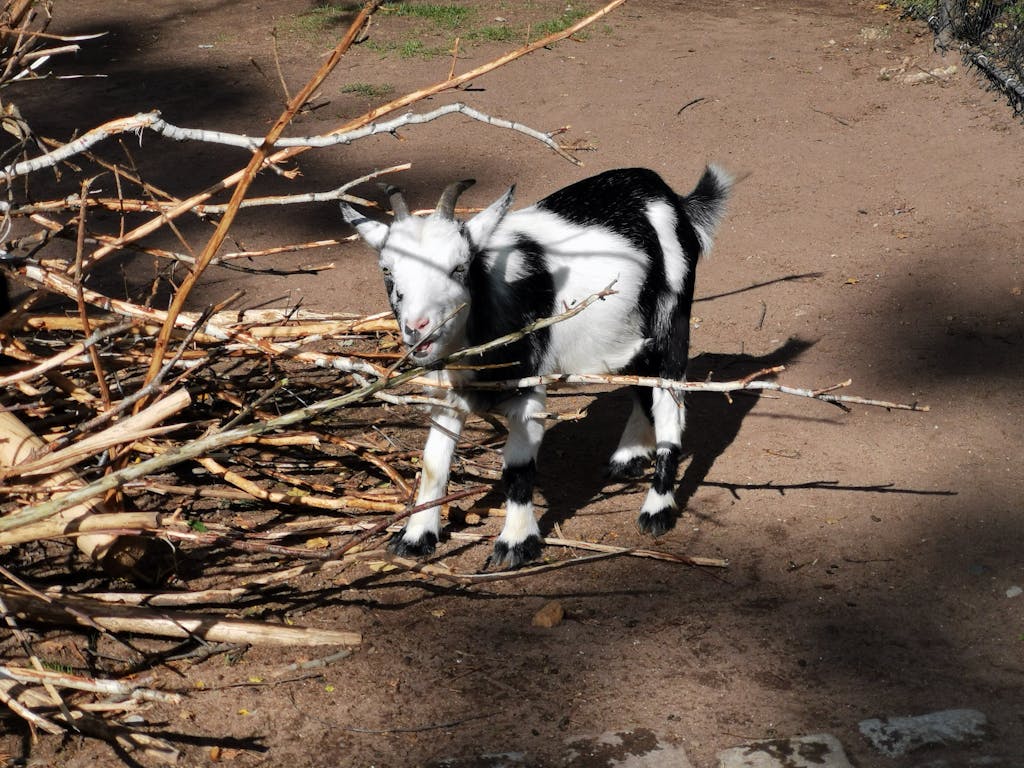
In fact, goats are often smarter than people expect.
Pygmy goats can learn:
- Their names
- Basic commands
- Recall training
- Agility obstacles
- Simple tricks
Positive reinforcement works best.
Food rewards, praise, and consistency go a long way.
The challenge isn’t usually teaching a goat what you want.
The challenge is convincing them it’s worth their time.
The Best Part of Owning Pygmy Goats
The biggest reason people love pygmy goats isn’t their size.
It’s their personality.
Every goat has quirks.
Every goat has opinions.
Every goat has a unique way of turning an ordinary day into a story you’ll be telling for years.
Maybe it’s the goat that learned how to open gates.
Maybe it’s the goat that insists on supervising every chore.
Maybe it’s the goat that somehow ended up standing on top of the picnic table for absolutely no reason.
Those moments become part of daily life.
And honestly?
That’s the magic of goats.
Crazy Goat Lady Tip
Don’t choose pygmy goats because they’re small.
Choose them because you’re prepared for goats.
The hay bills, the fencing projects, the hoof trims, the occasional escape attempt, and all the laughter that comes with it.
Small goats still come with big responsibilities.
And big personalities.
Final Thoughts
Pygmy goats can be wonderful companions for families, homesteaders, and first-time goat owners who have the right setup.
They’re playful, affectionate, entertaining, and endlessly curious. Their smaller size makes them easier to manage than many standard goat breeds, but they still need proper housing, goat companions, quality nutrition, and regular care.
If you’re prepared for the commitment, pygmy goats can bring years of laughter, unforgettable stories, and just enough chaos to keep life interesting.
Because goat ownership isn’t about perfection—it’s about stories.
Grab my FREE Beginner Goat Owner Checklist and make sure you’re ready before bringing home your first tiny troublemakers!