
Pasture Management for Beginners: How Not to End Up With a Dust Bowl
Here’s something no one tells you when you first get goats: your land matters just as much as your goats.
If you let them, goats will eat your pasture down to the dirt, laugh about it, and then look at you like, “So… what’s for dinner?” Mismanaged pastures = sick goats, high feed bills, and a whole lot of mud.
But don’t panic — with a little planning, you can keep both your goats and your land healthy.
Step 1: Think Like a Goat
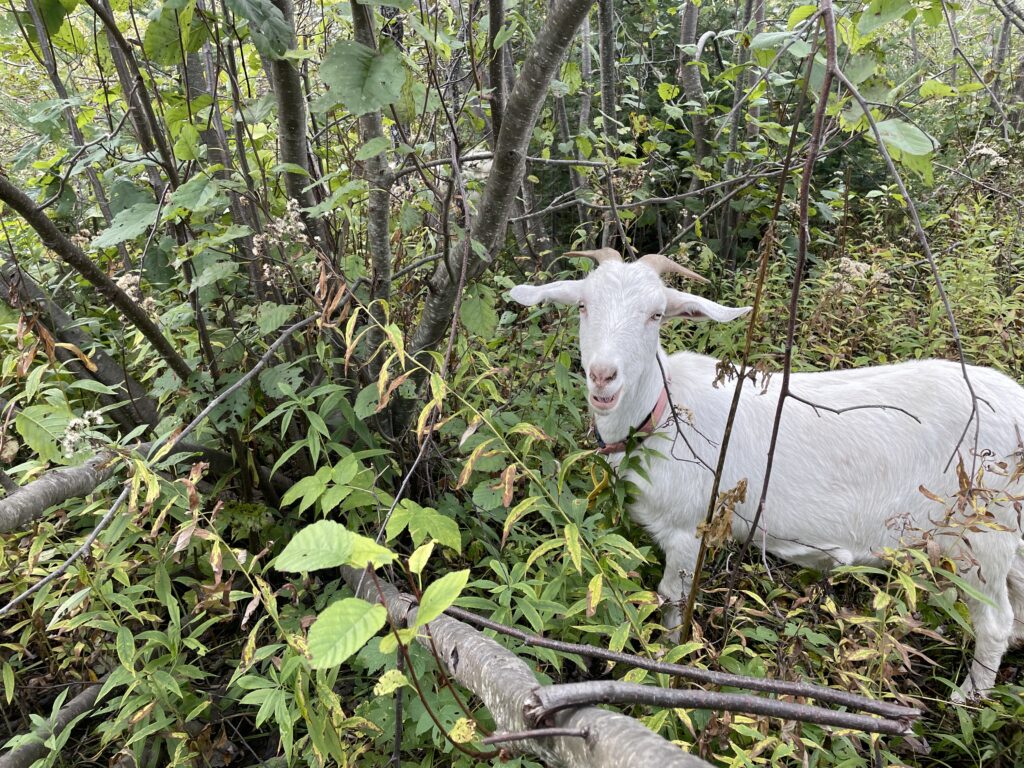
Goats aren’t cows. They’re browsers. That means:
- They prefer brush, weeds, and leaves over grass.
- They’ll skip the lush green grass to chow down on blackberry brambles.
- They nibble here, nibble there — they don’t mow evenly like sheep.
Your pasture plan should match their browsing style.
Step 2: Don’t Let Them Graze to the Dirt
Overgrazing is a one-way ticket to bare ground and weeds.
Rule of thumb:
- Pull goats off when plants are grazed down to about 4 inches.
- Rotate them to a fresh area and let the first one rest and regrow.
Step 3: Rotational Grazing = Happy Goats + Happy Land
Split your pasture into sections (paddocks). Move goats every couple of weeks (or sooner if they’ve eaten it down).
Benefits:
- Prevents overgrazing
- Helps break parasite cycles
- Gives plants time to regrow
- Keeps goats interested (new area = new snacks)
Step 4: Control the Browsing
Remember: goats eat what they want, not what you wish they’d eat. If you’ve got plants you don’t want destroyed, fence them off.
And watch for toxic plants — cherry, azalea, yew, and rhododendrons are goat no-nos.
Step 5: Supplement When Needed
Even with great pasture, goats still need hay during winter or dry spells. And don’t forget minerals — pasture alone usually won’t cover it.
Crazy Goat Lady Tip
Want your goats to clear brush fast? Pen them in the thickest, thorn-covered, ugliest patch of land you’ve got. They’ll leave it looking like a landscaping crew came through… just don’t expect them to mow your lawn neatly afterward.
Final Thoughts
Pasture management isn’t just about pretty green fields — it’s about healthy goats, lower feed bills, and sustainable land use. Start small, rotate often, and think long-term.
Because nothing says “Crazy Goat Lady” like explaining to your neighbors that yes, your goats are doing rotational grazing, not just breaking into the next yard.
Want the full “Beginner Goat Owner Checklist” that covers fencing, minerals, and more? Grab it FREE here: